

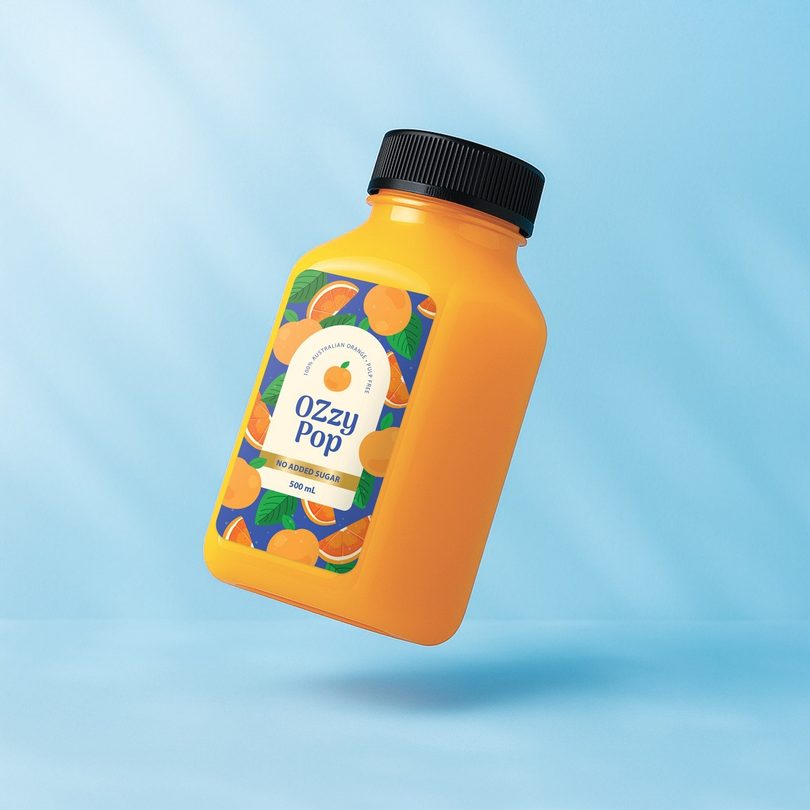

A label order can look simple from the outside. You send a design, approve it and wait for delivery. In practice, the printer needs to turn your product details and artwork into something that can be checked, produced and packed without relying on assumptions.
Knowing the checkpoints helps you avoid a false start. A search for label sticker printing is often where the conversation begins, but the useful part is being ready for the questions that follow, from what you are labelling to what still needs approval.
Starting the Enquiry
The first enquiry gives the printer a working picture of the job. Expect questions about the product, where the label will sit, whether you have finished artwork, and the approximate order size you have in mind. Those details help the printer understand whether the job is ready to move towards proofing or still needs decisions.
A brewery releasing a seasonal beer may have a finished brand identity but no label layout. A skincare maker may have a label design that needs to fit a particular jar or bottle. The product and its container are part of the conversation, not background details to mention later.
Be clear about what is settled and what is still open. If the container shape, label wording or product name may change, say so before artwork is prepared for approval. A change at that point can send the job back through work that already looked finished.
Preparing Your Artwork
In label printing, artwork means the design and content that will appear on the finished label. It may include a logo, product name, images, required text, a barcode and the layout that brings those elements together. It is more than a picture saved from a screen.
Some businesses supply a completed design from a designer. Others have brand assets, draft wording and a visual direction that still needs to be arranged into a label. Both starting points are workable, provided the printer knows what is approved and what remains under discussion.
For food products, check the Food Standards Australia New Zealand labelling guidance before treating the copy as final. Required information belongs in the artwork discussion early, rather than being added after the layout has been approved.
Before artwork moves ahead, the person handling the order will usually check the label shape, the dimensions, the copy and how the design relates to the container. A wraparound bottle label creates different questions from a small front label on a jar. Mention anything that must match existing packaging, such as a brand mark or a product range already on shelves.
Printers do not all request artwork in the same setup, so don’t assume a sharp-looking image on a laptop is ready for print. Send original design material when you can, keep product copy in one approved version, and identify any element that cannot change. That gives the printer something clear to assess before proofing begins.
The Proof Checkpoint
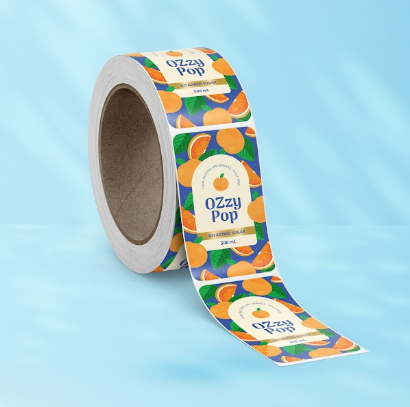
A proof is the version presented for approval before the production run begins. It lets you inspect the label as a print job rather than as an idea on a screen or a rough mock-up from an earlier design discussion. Treat it as the agreed version of the order.
This is where small errors deserve careful attention. Check the product name, variant, net contents, website address, barcode placement and text near an edge. If the label carries dense wording, read every line rather than trusting a quick visual scan.
Approval matters because the printer will work from the proof that you approve. If a brewer changes a beer name or a cosmetics business updates wording, that change needs to appear in the proof before approval. An email sent after production starts may be too late to alter the run.
Ask when something looks unfamiliar or unclear. A proof should show what will be printed and where it will sit, not leave you guessing about a small line of text or an unexpected crop. Keep the approved proof with the order correspondence once you have signed it off.
Production and Delivery
After proof approval, the job moves into production. The printer prepares the approved artwork for the press, prints the labels, applies the agreed finishing work and checks the completed run before packing it for dispatch. At this stage, both sides should be working from the same approved reference.
That is why the proof matters. It gives the printer a defined version to produce and gives you a record of what you approved. It also separates a production issue from a later change of mind about wording or layout.
Delivery still needs a little planning. Confirm the delivery address, the contact person who can receive the parcel, and whether the labels need to arrive before a bottling date, product launch or packing session. A completed order can still create a problem if it goes to an unattended warehouse or the wrong site.
Keep the approved proof, order details and delivery information together. If a question comes up after delivery, those records show what was agreed before the print run began. They also make it easier to explain an issue without trying to reconstruct the job from old emails.
If Something Arrives Wrong
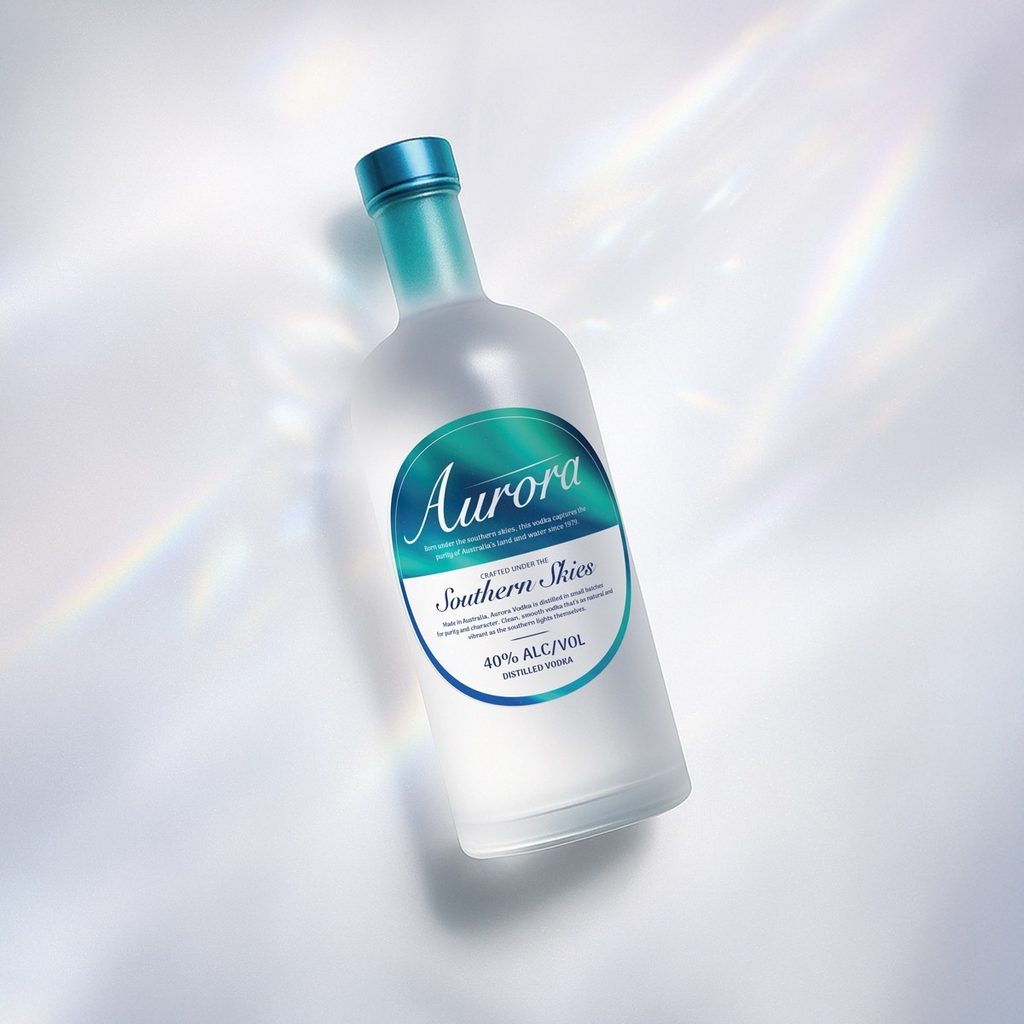
A production fault is different from changing your mind about an approved design. If the delivered labels do not match the agreed job, arrive with an apparent fault, or otherwise fail to meet the expected standard, contact the supplier promptly. Keep clear photos, the packaging and a copy of the approved proof.
Where Australian consumer guarantees apply, the ACCC sets out consumer guarantee rights, including repair, replacement or refund when goods or services do not meet those guarantees. The ACCC also says that extra warranties are promises that sit alongside basic consumer rights, rather than replacing them.
Start with the facts when you raise the issue. Show what the proof approved, describe what arrived and explain how the difference affects the labels you can use. That gives the supplier a clear basis for checking whether the issue arose in artwork approval, production or delivery.
Where to Start
A smoother label order begins before the first email. Have a settled description of the product, an approximate order size and the latest version of your artwork or brand material ready to share. If something is still undecided, flag it rather than presenting it as final.
Then give each checkpoint the attention it needs. Provide accurate details at enquiry, make sure the artwork reflects the product you are selling, and read the proof as if it is already sitting on your bottle, jar or box. Keep the approved proof, order details and delivery information in one place before you confirm the job.

